
India’s National Green Hydrogen Mission aims to produce 5 million metric tonnes of Green Hydrogen annually by 2030. Building Hydrogen Valleys which are localised hubs connecting hydrogen production, storage, and end-use is critical to achieving this target.
Among emerging projects, Kerala’s Green Hydrogen Valley has gained global recognition, marking a significant step for India’s clean energy future.
What Is a Hydrogen Valley?
A Hydrogen Valley is a geographical cluster where hydrogen is produced, stored, distributed, and used across sectors like transport, industry, and energy. India’s Department of Science and Technology (DST) is spearheading the Hydrogen Valley programme, with support planned across three phases from 2023 to 2050. DST has already allocated ₹90 crore to kick-start three Hydrogen Valley platforms.
Kerala’s Green Hydrogen Valley: A Deep Dive
Global Recognition
Kerala’s project was spotlighted at the World Economic Forum 2025 as one of the 13 leading global industrial clusters. Among five Indian initiatives, Kerala’s stood out for its comprehensive hydrogen strategy.
Vision and Strategy
Led by ANERT, Kerala’s Green Hydrogen Valley aims to build a fully integrated hydrogen ecosystem. Two valleys in Kochi and Thiruvananthapuram are being developed, focusing on production, storage, distribution, and diverse applications. The emphasis is on sectors like refineries, fertilisers, road and water transport, chemicals, and exports.
Key Projects
- Hydrogen-powered KSRTC buses and freight trucks.
- Hydrogen-powered boats for Kochi Water Metro.
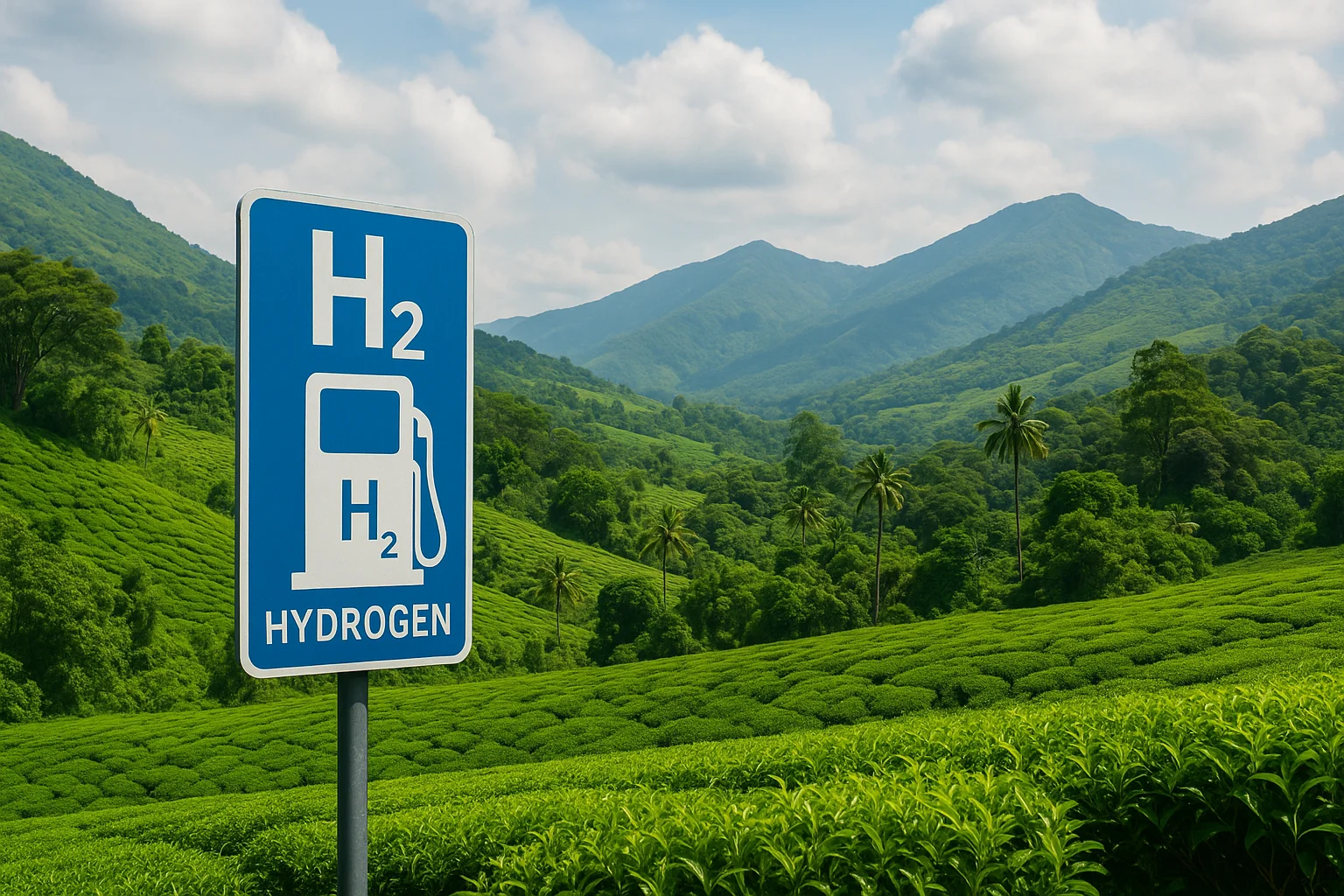
- Hydrogen refuelling stations and renewable-powered production units.
A Kerala Hydrogen Council and a Kerala Green Hydrogen Hub are also being set up to coordinate efforts.
Funding and Investment
- Pilot phase cost: ₹133 crore.
- Central government support: ₹53 crore expected.
- Private sector investment proposals worth over $1.2 billion under evaluation.
Kerala is the first Indian state developing the full hydrogen value chain.
Other states like Gujarat, Maharashtra, Andhra Pradesh, Tamil Nadu, and Karnataka are also progressing on hydrogen valley development. The government has approved ₹200 crore to fund valley projects in Gujarat, Kerala, Karnataka, and Maharashtra.
Green Hydrogen valleys minimise infrastructure costs, reduce carbon emissions, and foster innovation. They are critical to decarbonising heavy industries and transportation. Kerala’s leadership offers a model for India’s hydrogen economy rollout.
Kerala’s Green Hydrogen Valley is a bold step towards a net-zero future. By combining smart policy, industry partnerships, and strong execution, Kerala is setting the pace for India’s Green Hydrogen revolution. As more states follow, hydrogen valleys will be central to building a cleaner, self-reliant energy future for India.